
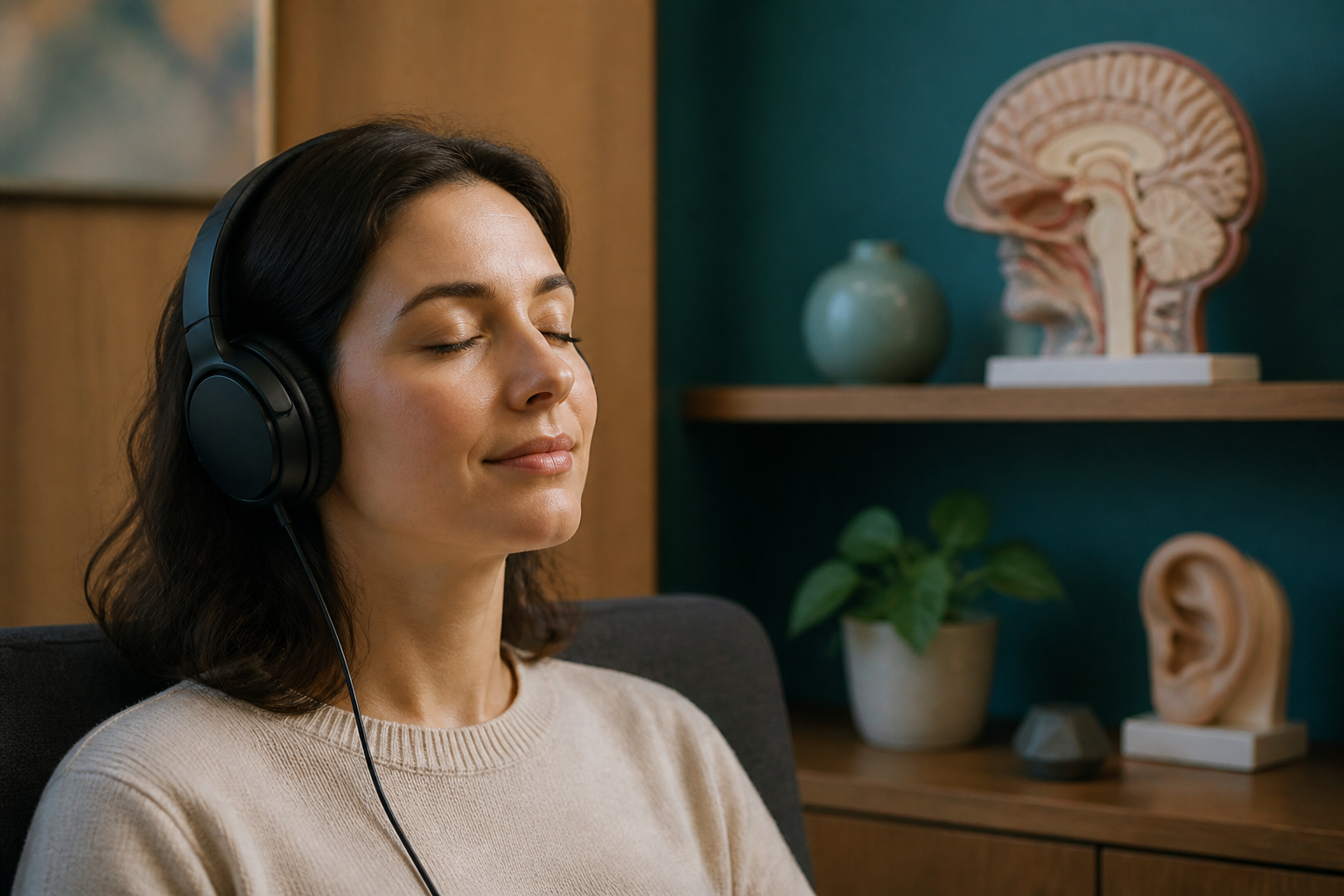
Music is rich brain training—rhythm, prediction, emotion, memory. The same system at high intensity can fatigue or injure auditory synapses. People who love music often arrive late for protection, because they do not want to give up what they love.
Keep the music
Music learning links to pitch, timing, and selective attention. For some older adults, regular playing or singing is brain-healthy living because it demands attention and brings people together. Do not quit music. Manage the dose, like sun and sunscreen.
- Unprotected concerts and unlocked headphone volume
- Long studio or in-ear rehearsal hours
- Tinnitus after loud events that “will pass” and keeps returning
Don’t turn down the music. Turn down the decibels. Those are not the same request.
Keep the joy; keep a separate ledger for decibels
Protection does not make you a lesser listener. It is how you still hear detail next year. One unprotected loud night can buy weeks of tinnitus. If sound is your job, rest is part of rehearsal. Synapses do not get stronger by being blasted. The aim is to keep working—not to quit the craft.